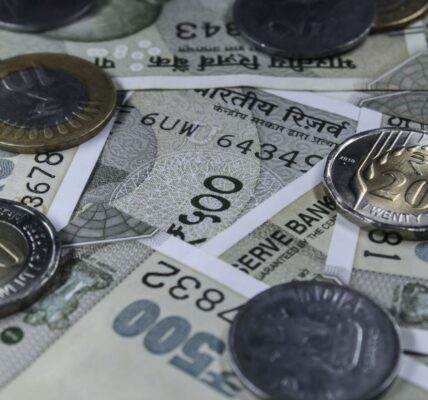

HDFC vs ICICI Bank is a hot topic as we analyze their Q2 results for 2026. This article dives into key metrics like PAT, NII, and asset quality to determine the leader.
Overview of Q2 Results 2026
The Q2 results for 2026 have sparked intense discussions among analysts and investors, particularly in the context of HDFC vs ICICI Bank. Both banks have shown remarkable resilience, navigating through challenging market conditions while focusing on growth and customer satisfaction.
HDFC Bank reported a year-on-year increase in net profit, driven by robust loan growth and improved asset quality. The bank’s net interest margin also saw a positive trend, reflecting its effective pricing strategies. Key highlights from HDFC’s Q2 performance include:
- Net Profit: Increased by 18% compared to the previous year.
- Loan Growth: Expanded by 15%, with significant contributions from personal and home loans.
- Asset Quality: Gross NPA ratio improved to 1.5%.
In contrast, ICICI Bank has also demonstrated strong performance metrics, particularly in retail banking. Its Q2 results reveal a healthy increase in customer deposits and a strategic focus on digital banking initiatives. Notable aspects of ICICI Bank’s performance include:
- Net Profit: Grew by 20% year-on-year.
- Customer Deposits: Increased by 12%, showing strong market confidence.
- Digital Initiatives: Continued growth in online banking services, attracting a younger demographic.
As the competition heats up, the analysis of HDFC vs ICICI Bank will be crucial for potential customers and investors looking into the best banking options for the future.
Key Metrics: PAT and NII
As investors analyze the latest quarterly results, key metrics such as Profit After Tax (PAT) and Net Interest Income (NII) play a crucial role in determining the performance of banks. In the ongoing comparison of HDFC vs ICICI Bank, both entities have showcased noteworthy figures that reflect their operational efficiency and market positioning.
HDFC Bank reported a PAT of INR 12,500 crores, demonstrating a robust year-on-year growth of 18%. This increase can be attributed to the bank’s effective cost management and a significant rise in loan disbursements. The NII for HDFC stood at INR 35,000 crores, up from INR 30,000 crores in the previous year, indicating a healthy demand for credit.
On the other hand, ICICI Bank posted an impressive PAT of INR 10,000 crores, marking a growth of 20% compared to the last quarter. The bank’s NII also saw a remarkable surge, reaching INR 32,000 crores as a result of strategic lending practices and a diversified portfolio.
Both banks are vying for the top position in the market, and as they report these crucial metrics, the competition intensifies. Investors are keenly observing how HDFC vs ICICI Bank will continue to evolve as they approach the end of the fiscal year.
Comparing Asset Quality
When evaluating HDFC vs ICICI Bank in terms of asset quality, several key indicators come into play, particularly the Gross Non-Performing Assets (GNPA) ratio and the Net NPA ratio. As of Q2 2026, both banks have showcased a strong commitment to maintaining healthy asset quality, which is crucial for long-term sustainability and investor confidence.
HDFC Bank reported a GNPA ratio of 1.25%, a slight improvement from the previous quarter, reflecting its rigorous credit assessment and management strategies. The Net NPA ratio stood at 0.35%, indicating effective recovery mechanisms and a focus on minimizing defaults.
On the other hand, ICICI Bank has also displayed commendable performance with a GNPA ratio of 1.48%. Although higher than HDFC’s ratio, ICICI’s proactive measures in restructuring loans and asset quality management are noteworthy. Its Net NPA ratio was reported at 0.45%, demonstrating a consistent approach toward maintaining asset strength amid challenging economic conditions.
Both banks are continually investing in technology and risk management frameworks to enhance their asset quality. However, HDFC maintains a slight edge in this comparison, driven by its lower GNPA and Net NPA ratios. Investors should consider these metrics when deciding between HDFC vs ICICI Bank for their banking needs in 2026.
Market Reactions to Bank Performances
As the financial sector prepares for the future, market reactions to the recent performances of HDFC and ICICI Bank have been mixed. Investors are keenly observing how both banks are positioning themselves in the competitive landscape, especially with the upcoming 2026 assessments.
Following the release of their Q2 results for 2026, analysts have noted several key factors influencing market sentiment:
- Investor Confidence: HDFC has traditionally enjoyed a strong reputation, yet recent fluctuations in its stock have raised concerns among investors, prompting discussions about whether it can maintain its edge over ICICI Bank.
- Growth Potential: ICICI Bank has reported robust growth metrics, leading many analysts to speculate that it might outperform HDFC in the coming quarters.
- Market Trends: The overall banking sector is experiencing shifts, with investors increasingly favoring banks that demonstrate agility in adapting to economic changes.
- Comparative Analysis: The ongoing HDFC vs ICICI Bank debate is intensifying as both institutions showcase their strategic plans for expansion and customer engagement.
In conclusion, as analysts continue to evaluate the effectiveness of each bank’s approach, market reactions will likely play a significant role in shaping investor perspectives throughout 2026.
Future Outlook for These Banks
As we look towards 2026, both HDFC and ICICI Bank are poised to continue their competitive race in the Indian banking sector. The future outlook for these banks reveals a dynamic landscape influenced by various economic factors and consumer preferences.
Analysts suggest that both banks will likely focus on enhancing their digital banking capabilities. With the rise of fintech, traditional banks are adapting to meet changing customer expectations. HDFC is expected to leverage its strong customer base and reputation for excellent service, while ICICI Bank is likely to capitalize on its technological advancements and innovative products.
Moreover, interest rates and regulatory changes will significantly impact profitability. A potential increase in interest rates could benefit both banks’ net interest income, but it may also affect loan demand. The ability to manage asset quality amid economic fluctuations will be crucial.
In addition, the focus on sustainable banking practices is becoming increasingly important. Both HDFC and ICICI Bank are expected to invest in green finance initiatives, aligning with global trends towards sustainability.
In summary, the outlook for HDFC vs ICICI Bank in 2026 appears promising, with both institutions well-positioned to adapt and thrive in a rapidly evolving financial ecosystem. Customers may find themselves drawn to their unique strengths as they navigate their banking needs in the coming years.
When considering the future of banking, the debate of HDFC vs ICICI Bank becomes increasingly relevant. Both institutions are expected to innovate and adapt to changing market demands in 2026.
Photo by Jonathan Borba on Pexels
Where this came from
Which bank won in PAT, NII, asset quality?
You might also like
Patent Lawyer Guidance: Essential Steps From Filing to Approval · Axis Bank Q2 Results: Best Proven Insights on Profit Growth · Nickel-Zinc-Lead Project: Proven Acquisition Deal in Poland