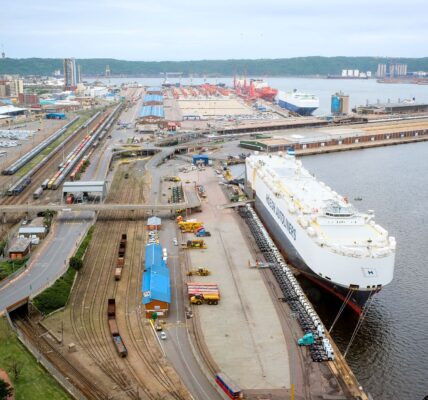
Ocean market rates are experiencing chaotic fluctuations, impacting shipping costs and logistics strategies. Understanding these changes is crucial for industry stakeholders.
Understanding the Current Ocean Market
The ocean market is currently experiencing significant turbulence, impacting shipping costs globally. As demand fluctuates, several factors contribute to the rising ocean market rates that are challenging many businesses.
One major aspect is the influx of new shipping capacity, which has altered the dynamics of supply and demand. This shift results in increased competition among carriers, impacting pricing strategies. Companies must navigate these changes to maintain their operational efficiency.
Additionally, geopolitical tensions and economic fluctuations further complicate the scenario, leading to unpredictable shipping timelines and costs. These external influences can create a ripple effect throughout the industry, affecting everything from import/export schedules to consumer prices.
As businesses adapt to these changes, it is essential to stay informed about trends in the ocean market rates to strategize effectively and mitigate the impact on their bottom line.
Factors Driving Rate Increases
The recent surge in ocean market rates can be attributed to several key factors affecting the shipping industry. Understanding these influences is crucial for stakeholders who rely on shipping for their operations.
One significant factor is the increase in demand for goods, which has surged following the pandemic. As economies rebound, the need for shipping services has escalated, placing pressure on available capacity.
Additionally, disruptions in global supply chains have led to inefficiencies. Delays in port operations and cargo handling are increasingly common, contributing to rising costs.
Another element is the limited fleet capacity due to ongoing maintenance and regulatory requirements, which restricts the number of vessels available for trade. This imbalance between supply and demand has made it challenging for shipping companies to keep rates stable.
Overall, these dynamics are pushing ocean market rates higher, impacting logistics and pricing across various industries.
Impact of Capacity on Shipping Costs
The dynamics of the ocean market rates are significantly influenced by shipping capacity. When capacity in the shipping industry is limited, it leads to increased competition among shippers, driving rates higher. Conversely, when there is an overabundance of capacity, rates tend to drop as carriers attempt to fill their vessels.
This fluctuation in capacity can have a substantial impact on overall shipping costs. Key factors contributing to these changes include:
- New vessel deliveries: An influx of newly constructed ships can saturate the market, impacting rates.
- Port congestion: Delays at ports can reduce effective capacity, leading to temporary spikes in shipping costs.
- Global trade patterns: Shifts in demand for goods can alter capacity needs, affecting ocean market rates.
Ultimately, understanding the impact of capacity on shipping costs is essential for businesses aiming to navigate the complexities of the ocean market effectively.
Strategies for Navigating Rate Changes
As businesses grapple with fluctuating ocean market rates, implementing effective strategies becomes crucial for managing shipping costs. Here are some key approaches:
- Establish Strong Relationships: Building partnerships with reliable carriers can lead to better negotiation power and favorable rates.
- Utilize Technology: Investing in shipping management software can help track rates and optimize routes, ensuring cost efficiency.
- Plan Ahead: By forecasting demand and securing bookings in advance, companies can often lock in lower rates before anticipated increases.
- Diversify Shipping Options: Exploring multiple carriers and modes of transport can provide alternatives that may reduce overall costs.
- Monitor Market Trends: Staying informed about changes in the ocean market rates allows businesses to adapt quickly and make timely decisions.
By employing these strategies, companies can better navigate the challenges posed by the unpredictable ocean market and mitigate the impact on their bottom line.
The Future of Ocean Freight Rates
The future of ocean freight rates remains uncertain as several factors continue to influence the chaotic landscape of the shipping industry. With demand fluctuating and new capacity being introduced, the ocean market rates are likely to experience further volatility.
Industry experts suggest that shippers must stay vigilant and adaptable to navigate these changes. Key considerations for the future include:
- Technological Advancements: Innovations in shipping technology may help optimize routes and reduce costs.
- Environmental Regulations: Stricter regulations could impact operational expenses, leading to higher ocean market rates.
- Global Economic Trends: The overall health of the economy will play a significant role in demand for shipping services.
- Capacity Management: Balancing supply and demand will be crucial in stabilizing rates.
In conclusion, stakeholders in the shipping industry must prepare for ongoing shifts in ocean market rates, which could significantly affect their operations and profitability.
Logistics Challenges in a Chaotic Market
The logistics industry is currently facing significant challenges as ocean market rates continue to fluctuate dramatically. Various factors contribute to this chaotic environment, making it difficult for shipping companies to maintain stable pricing structures.
Among the primary challenges are:
- Supply Chain Disruptions: Ongoing supply chain issues exacerbate the volatility of ocean market rates, leaving companies scrambling for solutions.
- Port Congestion: Increased congestion at major ports leads to delays and higher shipping costs, impacting overall logistics efficiency.
- Labor Shortages: A shortage of skilled labor in the shipping industry has further strained operations, driving up costs.
- Environmental Regulations: New regulations aimed at reducing emissions have resulted in higher compliance costs for shipping companies.
As logistics professionals navigate these hurdles, finding innovative solutions will be crucial to managing the impact of fluctuating ocean market rates on shipping costs.
Best Practices for Shipping Companies
As the ocean market rates continue to fluctuate, shipping companies must adopt best practices to effectively manage costs and maintain competitiveness. Implementing the following strategies can help mitigate the financial impact of rising rates:
- Optimize Route Planning: Utilize advanced software to analyze shipping routes, reducing transit times and fuel consumption.
- Negotiate Long-term Contracts: Establish contracts with carriers that lock in rates, providing predictability amid market volatility.
- Enhance Supply Chain Collaboration: Foster partnerships with suppliers and logistics providers to improve efficiency and share resources.
- Invest in Technology: Leverage tracking and inventory management systems to streamline operations and reduce waste.
- Monitor Market Trends: Stay informed about changes in ocean market rates and adjust strategies accordingly to capitalize on favorable conditions.
By implementing these best practices, shipping companies can position themselves to better navigate the challenges posed by shifting ocean market rates.
References