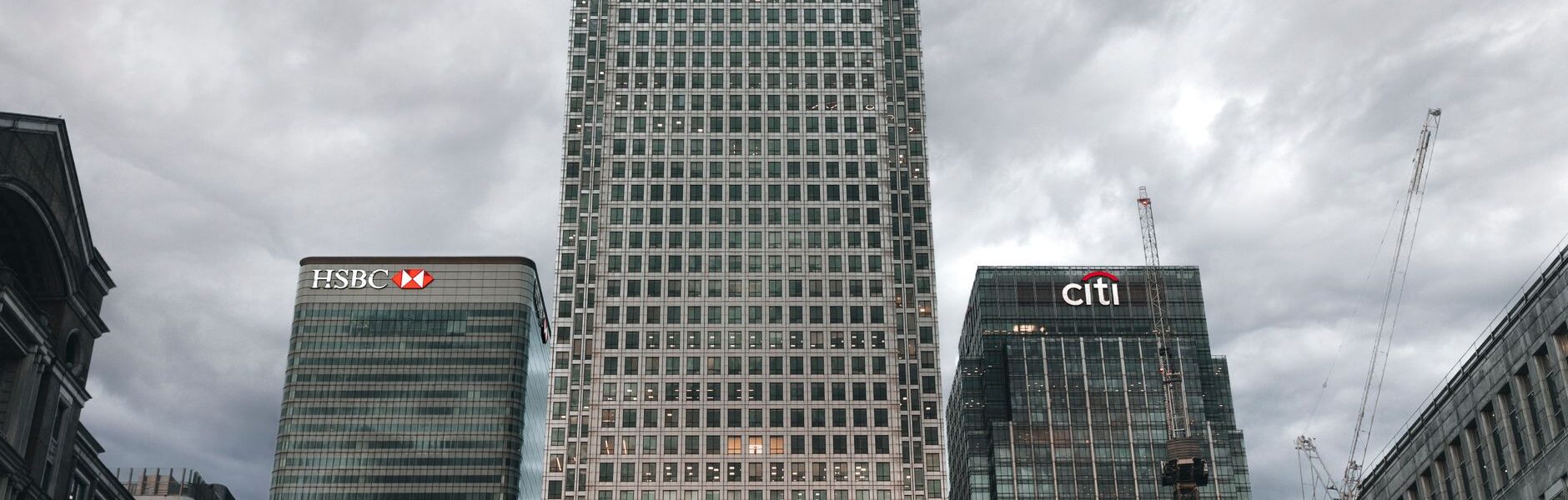

Citi HSBC India investment is becoming a focal point as both banks capitalize on the country’s economic potential amid changing market dynamics.
Citi and HSBC’s strategic moves in India
Citi and HSBC are making significant strategic moves in India, aiming to capitalize on the country’s growing market potential. Both financial giants have recognized the importance of diversifying their investments in a landscape that is rapidly evolving due to technological advancements and shifting economic dynamics.
As they look to enhance their presence, here are some key strategies being employed:
- Investment in Technology: Both banks are focusing on leveraging artificial intelligence and digital platforms to streamline operations and improve customer engagement.
- Local Partnerships: Collaborating with local fintech firms allows Citi and HSBC to tap into innovative solutions and expand their reach in the competitive market.
- Market Research: Conducting extensive research on consumer behavior and preferences helps them tailor their products, ensuring they meet the needs of the Indian populace.
- Sustainable Investments: A commitment to environmentally sustainable projects is becoming a priority, aligning with global trends while appealing to socially conscious investors.
These strategic moves underscore Citi and HSBC’s determination to solidify their foothold in India, highlighting the potential of the Citi HSBC India investment landscape amidst the backdrop of a market revival.
Impact of oil price fluctuations on investments
The impact of oil price fluctuations on investments cannot be understated, especially in the context of major players like Citi and HSBC making significant investments in India. As global oil prices experience volatility, investors need to reassess their strategies to mitigate risks and seize opportunities.
When oil prices rise, it can lead to increased inflationary pressures, affecting consumer spending and overall economic growth. Conversely, falling oil prices can provide a boost to economies heavily reliant on energy imports, such as India. This scenario presents a favorable environment for banks like Citi and HSBC to expand their portfolios and enhance their investment strategies in the region.
Key factors to consider include:
- Market Sentiment: Fluctuating oil prices can sway investor confidence, impacting stock market performance.
- Sector Performance: Sectors such as transportation and manufacturing may respond differently to oil price changes, affecting investment decisions.
- Currency Strength: The Indian Rupee’s stability against the dollar can influence the attractiveness of investments for foreign entities.
Thus, understanding these dynamics is crucial for firms like Citi and HSBC as they navigate the complex landscape of the Indian investment market.
The role of AI in market revival
The revitalization of the market in India is significantly influenced by the integration of artificial intelligence (AI) in investment strategies. Major players like Citi and HSBC are capitalizing on this technological advancement, recognizing its potential to enhance decision-making processes and predict market trends. As these financial giants increase their investments in the region, AI emerges as a critical tool in identifying lucrative opportunities and mitigating risks.
AI algorithms analyze vast datasets, allowing investors to make informed choices based on real-time insights. This capability has become particularly important in light of recent oil price fluctuations, which have prompted a reassessment of traditional investment models. As a result, Citi HSBC India investment strategies are increasingly relying on AI to drive growth and ensure resilience against market volatility.
Furthermore, the application of AI facilitates a more personalized approach to investment, catering to the unique preferences and risk appetites of clients. With the ongoing evolution of AI technology, investors in India can expect more refined tools at their disposal, ultimately contributing to a more robust economic landscape.
In summary, the role of AI in the market revival is paramount, as evidenced by the strategic initiatives of Citi and HSBC in India.
Future outlook for India’s economy
As global markets fluctuate, the future outlook for India’s economy appears increasingly optimistic, bolstered by significant investments from major financial institutions like Citi and HSBC. These banks are strategically positioning themselves to capitalize on India’s growth potential, recognizing the country as a critical player in the global economic landscape.
Several factors contribute to this positive outlook:
- Demographic Dividend: With a young, vibrant population, India is poised to experience a surge in consumer demand, driving economic growth.
- Digital Transformation: The rapid adoption of technology and digital services is reshaping industries, making them more efficient and scalable.
- Government Initiatives: Policies aimed at enhancing the ease of doing business and attracting foreign investments are creating a favorable environment for growth.
- Infrastructure Development: Significant investments in infrastructure projects are essential for sustaining long-term economic expansion.
With these factors at play, the investment strategies of Citi and HSBC in India are well-timed, as they not only reflect confidence in the country’s economic fundamentals but also position them to benefit from the anticipated growth trajectory. As such, the future looks promising for India, making it a focal point for strategic investments.
Challenges facing foreign investments in India
Foreign investments in India, including significant stakes from major banks like Citi and HSBC, face a myriad of challenges that can impact their success and sustainability. One of the most pressing issues is the regulatory environment, which can often be complex and unpredictable. Investors frequently encounter bureaucratic hurdles that can delay project approvals and increase costs.
Additionally, infrastructure development remains a critical concern. While India has made strides in improving its infrastructure, many regions still lack adequate facilities, leading to inefficiencies and logistical challenges for foreign investors. Moreover, the recent global economic uncertainties have raised questions about the stability of investments in emerging markets.
Another challenge is the competition from domestic players who are increasingly adept at navigating local markets. These companies often have established relationships and a better understanding of consumer preferences, putting foreign firms at a disadvantage.
- Regulatory complexities: Navigating the legal landscape can be daunting.
- Infrastructure inadequacies: Insufficient facilities can hinder operations.
- Intense local competition: Domestic firms may have an edge in market knowledge.
Despite these obstacles, the potential for growth remains, making foreign investments in India, such as those by Citi and HSBC, an area of keen interest.
Investors looking to maximize returns should consider diversifying their portfolio with a Citi HSBC India investment. Implementing best proven strategies for growth can significantly enhance the potential benefits of a Citi HSBC India investment.
Photo by Andrea De Santis on Pexels
Where this came from
Chandra and Mehli reconnect: Is it the Best Move for Tata? · Diwali Muhurat Trading: Nifty Drops Below 25,000 Mark · Solana Price Struggles: The Real Reasons Behind the Drop