

Open heart surgery is often seen as the defining moment in a patient’s cardiac journey. Families prepare for it, doctors focus on it, and patients build their hopes around it. When the surgery is successful, there is a natural sense of closure as if the hardest part is over.
But the truth is more complex.
The real test begins after discharge. This is the phase where the body has to heal, the heart has to regain strength, and the patient has to rebuild confidence. And yet, this is also the phase that receives the least structured attention.
This is exactly why cardiac rehabilitation matters more than most people realise.
The Silent Gap After Surgery
In India, cardiac care is largely hospital-centric. Patients receive world-class treatment during surgery, but once they leave the hospital, the responsibility of recovery shifts almost entirely to the family.
There is often no structured plan for what comes next.
Patients are told to rest, take medications, and walk gradually. While these instructions are important, they are not enough. Recovery after surgery is not just about avoiding complications it is about restoring function, stamina, and independence.
Without a structured cardiac rehab after open heart surgery, this transition becomes uncertain.
Many patients either recover slowly or fail to regain their pre-surgery quality of life not because the surgery failed, but because recovery was not managed properly.
What Makes Open Heart Surgery Recovery So Complex
Unlike minor procedures, open heart surgery places significant stress on the body. The chest is opened, the heart is operated on, and the body undergoes a controlled trauma.
Post-surgery, the body needs time and support to:
- Heal surgical wounds
- Stabilise heart function
- Rebuild muscle strength
- Improve lung capacity
- Adjust to new physical limits
This is not a passive process. It requires active, guided recovery.
That is where open heart surgery rehab plays a crucial role.
Cardiac Rehabilitation: More Than Just Exercise
A common misconception is that cardiac rehabilitation is only about physical activity. In reality, it is a comprehensive recovery system designed to address multiple aspects of healing.
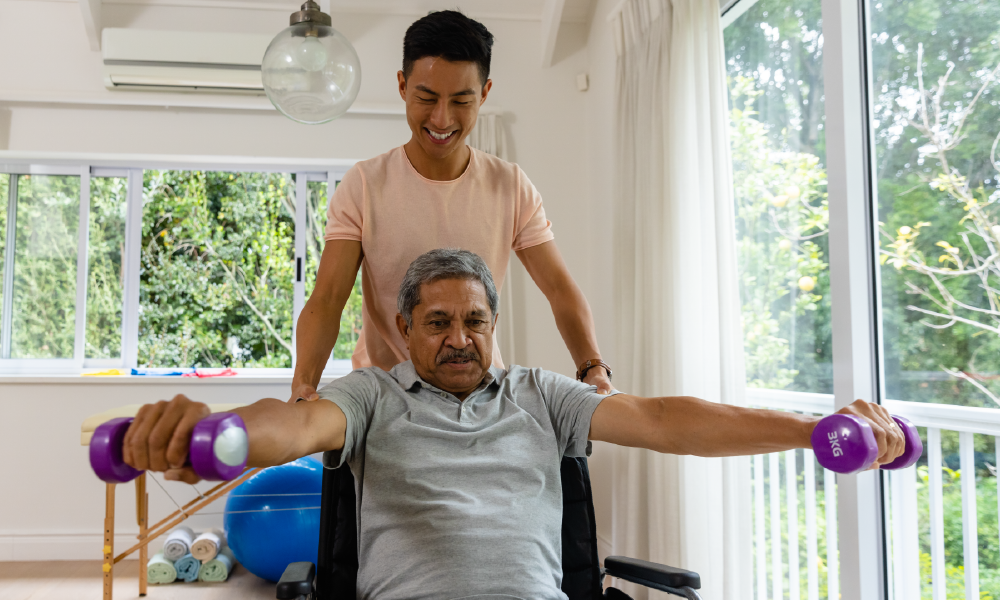
A structured cardiac rehab approach focuses on rebuilding the patient holistically. It combines monitored physical activity with clinical oversight, ensuring that every step of recovery is safe and effective.
Patients are gradually introduced to movement, their vitals are tracked, and their response to activity is closely observed. Nutrition, medication, and emotional well-being are also integrated into the recovery plan.
This level of coordination is difficult to achieve without a structured program.
Why This Phase Is Often Ignored
One of the biggest reasons cardiac rehab after open heart surgery is overlooked is perception.
Once the surgery is done and the patient is stable, families often assume that recovery will happen naturally with time. There is a belief that rest and basic care are sufficient.
In reality, this assumption can slow down recovery.
Without structured guidance, patients may avoid activity due to fear, or push themselves without understanding their limits. Both situations can delay healing and increase risk.
In India, awareness about rehabilitation is still growing. Many families are not informed about the importance of enrolling in a structured cardiac rehabilitation program.
The Risks of Unstructured Recovery
When recovery is left unstructured, it becomes inconsistent.
Patients may experience prolonged fatigue, reduced stamina, and emotional stress. Small warning signs may go unnoticed, leading to complications that could have been prevented with early intervention.
In some cases, this results in hospital readmissions—something that structured cardiac rehab is specifically designed to reduce.
Recovery is not just about survival. It is about regaining the ability to live independently and confidently.
Why Supervised Cardiac Rehab Makes a Difference
The key advantage of cardiac rehabilitation lies in its structured and supervised nature.
Instead of relying on assumptions, recovery is guided by trained professionals. Every activity is planned, every change is monitored, and every risk is managed proactively.
Patients benefit from a clear routine. They know when to exercise, how much to exert, and when to rest. This removes uncertainty and builds confidence over time.
For families, it provides reassurance that recovery is being handled systematically.
The Role of Care Homes and Rehab Centres
This is where a Care home or specialised rehab center becomes highly relevant.
However, in the context of post-surgical cardiac recovery, Care homes play a more critical role than standalone rehab centres. While rehab centres may focus primarily on therapy sessions, Care homes offer a complete recovery environment.
Recovery after open heart surgery is continuous. It does not happen in isolated sessions. Patients need support throughout the day—monitoring, medication management, nutrition, and immediate medical attention if required.
Care homes provide this continuity.
They create a structured setting where recovery is integrated into daily life. Patients follow a routine that includes guided activity, rest, and monitoring, all within a medically supervised environment.
This reduces risks and improves outcomes significantly.
Why Established Providers Deliver Better Recovery
Not all care environments offer the same level of support, especially when it comes to something as sensitive as cardiac rehab after open heart surgery.
Care homes and transition care environments play a critical role in this phase of recovery. Unlike fragmented or session-based setups, they are designed to manage the entire recovery journey—not just isolated aspects of it. Recovery after heart surgery is continuous, and it requires coordination across monitoring, medication, nutrition, and rehabilitation. This level of integration is where structured Care home environments stand out.
Established providers bring the experience, infrastructure, and clinical depth required to deliver this kind of care. They follow evidence-based protocols and ensure that recovery is consistent, supervised, and accountable. Transition care within these environments ensures that patients are not abruptly shifted from hospital to home, but instead move into a setting where recovery is actively managed.
In contrast, smaller setups or standalone services may lack the ability to handle complex recovery needs. They may offer limited rehabilitation support, but often do not provide the round-the-clock clinical oversight that cardiac patients require in the early weeks after surgery.
Organised Care home environments focus on outcomes rather than just services. They continuously track patient progress, adapt rehabilitation plans based on response, and ensure timely intervention if required. This structured and proactive approach not only improves recovery speed but also significantly reduces risks, making Care homes a critical component in successful cardiac rehabilitation.
The Indian Shift Towards Structured Recovery
India is slowly recognising the importance of post-surgery rehabilitation.
With rising cardiac cases and changing family structures, especially in urban areas, there is a growing need for professional recovery support. Families are beginning to understand that recovery is not just about rest—it is about guided, medically supervised healing.
This shift is increasing the adoption of cardiac rehabilitation programs, particularly in cities like Delhi NCR, Bangalore, and Chennai.
A Situation Many Families Recognise
A patient returns home after open heart surgery. The first few days are stable, but soon fatigue increases. The patient becomes hesitant to move, and recovery slows down.
The family assumes this is normal.
But what is missing is structured open heart surgery rehab.
With proper guidance, the same recovery could have been smoother, faster, and less stressful.
Clinical Perspective
From a medical standpoint, cardiac rehabilitation is not optional. It is a recommended continuation of treatment.
Studies show that patients who undergo structured cardiac rehab after open heart surgery have better physical outcomes, lower risk of complications, and improved quality of life.
It ensures that the benefits of surgery are fully realised.
Conclusion
Open heart surgery is a major milestone—but it is only one part of the journey.
Cardiac rehabilitation is what transforms surgical success into real recovery. It ensures that patients regain strength, rebuild confidence, and return to a better quality of life.
Ignoring this phase can leave recovery incomplete.
Understanding its importance can change outcomes.
Because in the end, recovery is not just about healing the heart—it is about helping the patient live fully again.
FAQs
- When should cardiac rehabilitation ideally start after open heart surgery?
Cardiac rehabilitation should ideally begin within the first few weeks after discharge, once the patient is medically stable. Early initiation ensures better recovery outcomes and reduces the risk of complications.
- Is cardiac rehabilitation only for elderly patients?
No, cardiac rehabilitation is beneficial for patients of all age groups who have undergone heart surgery. Younger patients also need structured recovery to regain strength, prevent future risks, and return to normal life safely.
- How is transition care different from regular rehab centres?
Transition care in a Care home offers continuous, 24×7 monitored recovery, unlike regular rehab centres that may provide only session-based therapy. It ensures complete support—from medical supervision to daily care—during the most critical recovery phase.
- What happens if cardiac rehab is delayed or skipped?
Delaying or skipping cardiac rehab after open heart surgery can lead to slower recovery, reduced stamina, higher risk of complications, and even hospital readmission. Structured rehabilitation helps avoid these risks and ensures safer healing.
