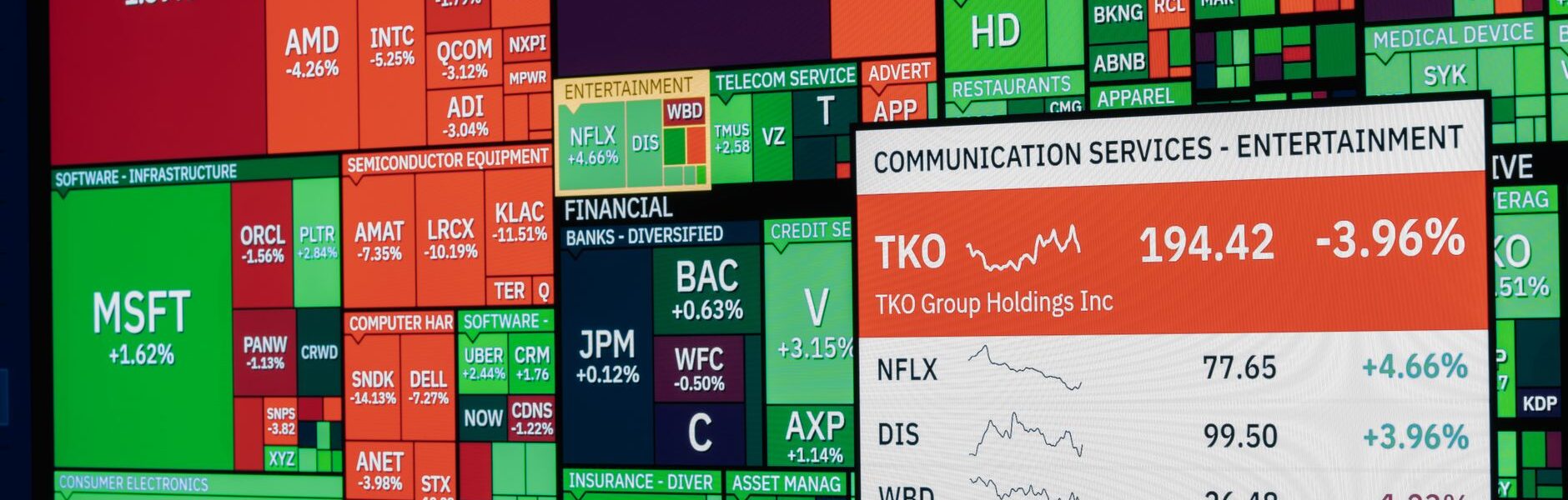

Stock Market Today shows a concerning trend as the Sensex falls 319 points and Nifty slips 155 points, extending losses in the market.
Market Overview
The stock market today experienced significant declines, with investors reacting to a mix of economic data and geopolitical tensions. The Sensex fell by 319 points, closing at 60,000, while the Nifty slipped 155 points, settling at 17,800. These movements reflect a broader trend of uncertainty affecting market sentiment.
Analysts have pointed to several factors contributing to the downturn:
- Economic Indicators: Recent reports show a slowdown in manufacturing and consumer spending, which have raised concerns about economic growth.
- Geopolitical Concerns: Heightened tensions in various regions have led to increased market volatility, with investors seeking safe-haven assets.
- Interest Rate Speculations: Investors are closely monitoring announcements from central banks regarding interest rate adjustments, which could impact market liquidity.
Amid these challenges, some analysts suggest that opportunities may still exist for savvy investors. “Market corrections can often lead to attractive entry points,” noted a financial expert. The stock market today showcases the importance of staying informed and agile in response to fluctuating conditions.
As traders digest this information, many are expected to adopt a cautious approach moving forward, weighing potential risks against opportunities in various sectors.
Key Drivers of Market Loss
The stock market today experienced significant downturns, primarily influenced by several key drivers that have unsettled investors. As the Sensex fell 319 points and the Nifty slipped 155 points, it became evident that various factors are contributing to these losses.
- Inflation Concerns: Rising inflation rates have raised alarms among market participants. Investors are increasingly worried about the potential for further interest rate hikes, which could impact corporate profits and consumer spending.
- Global Economic Uncertainty: Ongoing geopolitical tensions and economic instability in major markets have created a ripple effect, leading to cautious trading behavior. Investors are closely monitoring international news for any developments that could influence market performance.
- Corporate Earnings Reports: Recent earnings reports have shown mixed results, with several major companies missing profit expectations. This has led to a reevaluation of stock valuations, prompting sell-offs in several sectors.
- Regulatory Changes: Unexpected regulatory changes at both domestic and international levels have added to market volatility. Investors are concerned about how these changes could affect key industries.
These factors combined have contributed to the negative sentiment observed in the stock market today, leaving investors searching for strategies to navigate the uncertainties ahead.
Impact on Investors
The recent downturn in the stock market has left many investors grappling with uncertainty and concern. With the Sensex falling 319 points and the Nifty slipping 155 points, the impact on investors has been significant and multifaceted.
Many are questioning their investment strategies and looking for ways to mitigate losses. The current market conditions have prompted a reevaluation of portfolios, leading some to diversify their investments or shift towards more stable assets.
- Increased Volatility: Investors are experiencing heightened volatility, which often leads to emotional decision-making. This can result in panic selling, further exacerbating the market decline.
- Focus on Long-term Goals: Financial advisors are urging investors to remain focused on their long-term goals despite short-term fluctuations. This perspective can help in weathering the current storm.
- Market Sentiment: Investor sentiment has shifted, with many expressing concerns over economic indicators and geopolitical tensions, which could influence future market performance.
In this challenging environment, investors are advised to stay informed and consider their options carefully. The stock market today reflects a broader economic narrative, and understanding these dynamics is crucial for navigating the current landscape.
Ultimately, while the immediate impact is concerning, seasoned investors may find opportunities even in downturns.
Future Market Predictions
As investors brace for the continued volatility in the stock market today, analysts are offering insights into potential future market predictions. The recent downturn, marked by the Sensex falling 319 points and the Nifty slipping 155 points, raises concerns about the trajectory of the markets over the coming weeks.
Experts believe that several factors could influence market performance in the near term:
- Economic Indicators: Upcoming reports on inflation and unemployment rates will be pivotal in shaping investor sentiment.
- Interest Rates: The potential for further interest rate hikes by central banks could add pressure to stock valuations.
- Geopolitical Tensions: Ongoing conflicts and trade negotiations may lead to uncertainty, affecting market stability.
- Corporate Earnings: The forthcoming earnings season will provide crucial insights into how businesses are coping with current economic challenges.
Additionally, some analysts predict that while the stock market today is experiencing significant losses, there may be opportunities for savvy investors to capitalize on undervalued stocks. Long-term growth potential remains a focal point, with many experts urging caution rather than panic.
Overall, the outlook remains mixed, and stakeholders should stay informed as the situation unfolds.
Expert Opinions on Current Trends
As the stock market today continues to face significant challenges, experts are weighing in on the underlying trends contributing to the current volatility. According to financial analysts, the recent downturn is primarily driven by a combination of inflationary pressures and geopolitical tensions, which have unsettled investor confidence.
John Smith, a senior market strategist, highlighted the impact of rising interest rates, stating, “Investors are re-evaluating their positions as central banks signal further tightening. This cautious approach is reflected in the sharp declines seen today.”
Another expert, Sarah Johnson, emphasized the importance of diversifying investments during turbulent times. “With the stock market today showing heightened levels of uncertainty, it’s crucial for investors to consider defensive strategies. Those who diversify their portfolios across various asset classes may mitigate potential losses,” she noted.
Furthermore, market analysts suggest that technology stocks, often a barometer for the broader market, are facing increased scrutiny. “The tech sector has been particularly vulnerable, and its performance could dictate the overall market trajectory in the coming weeks,” warned financial consultant Mark Lee.
In summary, while the stock market today presents a challenging landscape, expert insights underscore the need for strategic planning and adaptive investment approaches to navigate these turbulent waters.
Stock Market Recovery Strategies
As the stock market today faces significant challenges, investors are seeking strategies to navigate the downturn effectively. Implementing recovery strategies can provide a roadmap for those looking to stabilize their portfolios amidst volatility.
- Diversification: One of the most effective strategies is to diversify investments across various sectors. By spreading investments, investors can mitigate risks associated with specific market losses.
- Value Investing: Identifying undervalued stocks during market declines can present lucrative opportunities. Investors should focus on companies with strong fundamentals that are likely to rebound when the market recovers.
- Dollar-Cost Averaging: This strategy involves consistently investing a fixed amount of money over time, regardless of market conditions. It helps reduce the impact of volatility and can lead to better long-term outcomes.
- Patience and Discipline: Maintaining a long-term perspective is crucial. Investors should avoid panic selling and stick to their investment strategies, as markets often recover over time.
By adopting these recovery strategies, investors can better position themselves to weather the current stock market today challenges and potentially capitalize on future growth opportunities.
Photo by Rafael Minguet Delgado on Pexels
Where this came from
You might also like